A Must Read Our Interesting News & blogs on Digital Marketing
| Marketing Trends | Digital Insights | Latest Updates | Growth Strategies |
Explore our latest articles and digital insights designed to keep you updated with new trends, creative ideas, and effective strategies. Our blogs cover topics like SEO, website development, online marketing, advertising, and digital growth. Each article provides useful knowledge and practical tips to help businesses understand the digital world, improve their online presence, and create better connections with their audience.
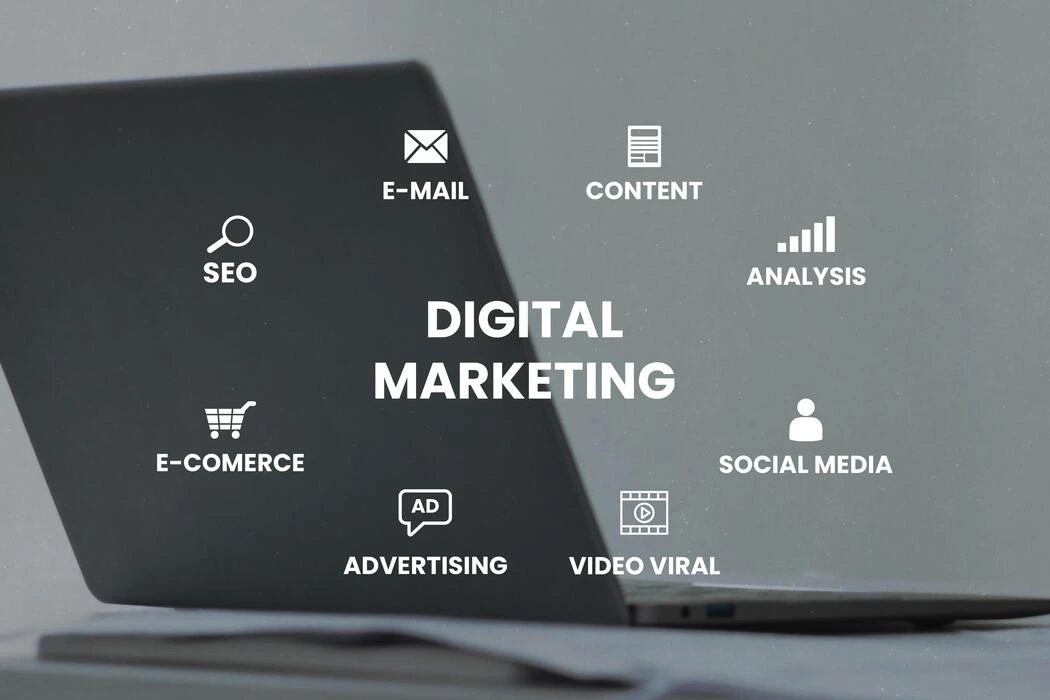
Digital marketing has changed the way businesses connect with people in today’s fast-moving online world. With the growth of technology and internet usage, customers now search, communicate, and make decisions through digital platforms. A strong online presence helps businesses reach the right audience, build trust, and create long-term relationships with customers.
Digital marketing is the process of promoting products, services, and brands through online channels such as websites, search engines, social media platforms, email, and digital advertising. It combines creativity, strategy, and technology to create meaningful connections between businesses and their customers.
In the modern business environment, digital marketing is not just about advertising; it is about understanding customer needs and providing valuable experiences. Businesses use digital strategies to increase brand awareness, improve visibility, generate leads, and achieve better growth opportunities.One of the most important parts of digital marketing is building a strong website. A professional website acts as the online identity of a business and helps customers learn about products, services, and brand values. A well-designed website with good user experience can increase trust and encourage customers to take action.
Search Engine Optimization (SEO) plays a major role in improving online visibility. SEO helps websites appear higher in search engine results by optimizing content, keywords, website structure, and performance. A strong SEO strategy helps businesses attract organic traffic and reach customers who are actively searching for their solutions.
Social media marketing has also become a powerful tool for brand growth. Platforms like social media allow businesses to share content, communicate with audiences, and create strong communities. Through creative posts, videos, and campaigns, brands can increase engagement and build meaningful customer relationships.Content creation is another important part of digital marketing. Valuable content helps businesses educate their audience, answer questions, and create trust. Blogs, articles, videos, and social media content allow brands to share their message and connect with customers in a more effective way.Paid advertising strategies such as Google Ads and Meta Ads help businesses reach targeted audiences quickly. These platforms allow businesses to promote their products to specific groups of people and measure campaign performance. With proper planning and optimization, paid marketing can improve traffic, leads, and conversions.Digital marketing continues to grow with new trends, tools, and technologies. Artificial intelligence, automation, and data analysis are changing the way businesses create strategies and communicate with customers. Businesses that adapt to digital changes can stay competitive and achieve sustainable success.
A successful digital marketing approach requires a combination of creativity, research, technical skills, and continuous improvement. By using the right strategies, businesses can strengthen their online presence, connect with their audience, and grow in the digital world.Digital marketing is the future of business growth, helping brands turn ideas into opportunities and build stronger connections with customers online.
Website Development: Building a Strong Digital Presence for Your Business

In today’s digital world, a website is more than just an online page; it is the foundation of a brand’s digital identity. A professional website helps businesses showcase their services, connect with customers, build trust, and create new opportunities. Whether it is a small business, startup, or large company, having a well-designed website plays an important role in online success.Website development is the process of creating, designing, and maintaining a website that is functional, attractive, and easy to use. It combines design, technology, and strategy to create a smooth online experience for visitors. A good website should not only look beautiful but also provide useful information and guide users toward taking action.A successful website begins with understanding the goals of the business and the needs of its audience. The design, structure, content, and features should be planned carefully to create a website that supports business growth. User-friendly navigation, fast loading speed, mobile responsiveness, and clear communication are important elements of a professional website.
WordPress has become one of the most popular platforms for website development because it provides flexibility, creativity, and easy management. With WordPress and tools like Elementor, businesses can create modern websites with attractive designs and powerful features. It allows customization of layouts, pages, blogs, and online stores according to business requirements.Website design is an important part of development because the first impression matters. A clean and professional design helps visitors trust the brand and explore the website. Colors, images, fonts, and layouts should work together to create a positive user experience.A responsive website is essential because people access websites from different devices such as mobile phones, tablets, and computers. A mobile-friendly website adjusts automatically to different screen sizes, making it easier for users to browse and interact with the business online.
Website development also includes improving performance and security. A fast-loading website creates a better experience for visitors and helps improve search engine rankings. Security features protect business information and customer data from online threats.SEO-friendly website development helps businesses gain better visibility on search engines. Proper website structure, optimized content, and technical improvements make it easier for search engines to understand and rank the website. This helps attract more organic visitors and potential customers.A website is also a powerful marketing tool. It supports digital marketing activities such as SEO, social media marketing, Google Ads, and content marketing. A well-developed website becomes the center of all online strategies and helps businesses achieve their digital goals.
The future of website development continues to grow with new technologies, creative designs, and improved user experiences. Businesses that invest in a professional website can build stronger relationships with customers and stay competitive in the digital world.A well-designed website is not just a digital presence; it is a powerful platform that helps brands grow, communicate, and succeed online.
Search Engine Optimization (SEO): The Foundation of Digital Growth
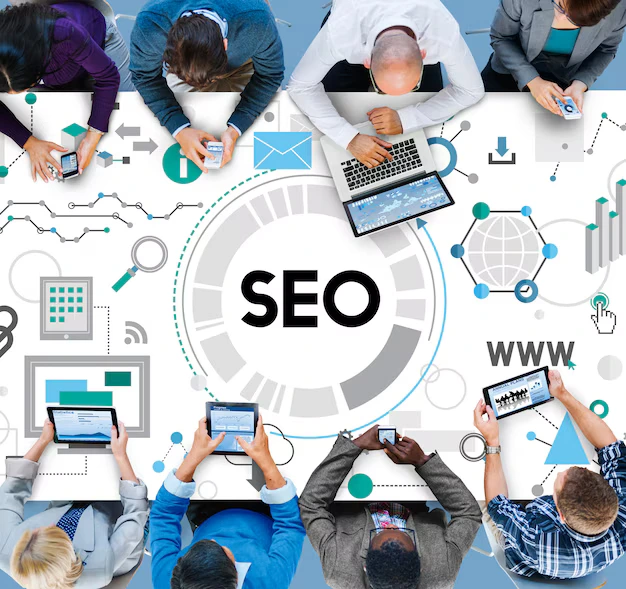
In the modern digital world, businesses are constantly competing for attention online. Having a website is an important first step, but making sure people can discover that website is equally important. Search Engine Optimization (SEO) helps businesses improve their online visibility, attract the right audience, and create a strong digital presence that supports long-term growth.SEO is a powerful digital marketing strategy that focuses on improving a website’s ranking on search engines such as Google. When users search for information, products, or services, search engines analyze websites and display the most relevant results. A well-optimized website has a better chance of appearing higher in search results, bringing more visitors and potential customers.SEO is not only about ranking higher; it is about creating a better experience for users. A successful SEO strategy focuses on providing valuable information, improving website performance, and making it easier for visitors to find what they need. When businesses understand their audience and optimize their online content, they can build trust and stronger relationships with customers.
Keyword research is one of the most important steps in SEO. Keywords are the terms people type into search engines when looking for solutions. By identifying the right keywords, businesses can understand customer interests and create content that matches their needs. Strategic keyword placement helps search engines recognize the purpose of a website and improves its chances of appearing in relevant searches.On-page SEO focuses on improving different elements within a website. This includes optimizing page titles, headings, website content, images, URLs, and internal links. Well-structured content helps both users and search engines understand the information on each page. A website with clear organization and valuable content creates a better browsing experience.High-quality content is the heart of SEO. Search engines prioritize websites that provide useful and original information. Blogs, articles, guides, and educational content help businesses answer customer questions and establish authority in their industry. Consistent content creation can increase website traffic and encourage users to return for more information.
Technical SEO plays a major role in website performance. It focuses on improving the technical aspects of a website, such as loading speed, mobile responsiveness, website security, and proper structure. A fast and user-friendly website improves customer satisfaction and helps search engines crawl and understand the website more effectively.Mobile optimization has become essential because most users browse websites through smartphones. A responsive website automatically adjusts to different screen sizes, providing a smooth experience across devices. Search engines consider mobile usability as an important factor when ranking websites.Off-page SEO helps improve a website’s reputation and authority outside the website itself. Building quality backlinks, increasing online mentions, and creating a trustworthy digital presence can improve search engine confidence. Strong off-page strategies show that a website is valuable and reliable.Local SEO helps businesses connect with customers in specific areas. By optimizing local information, business details, and location-based searches, companies can improve their visibility among nearby customers. This is especially useful for businesses that serve a particular community or region.
SEO also works together with other digital marketing strategies. It supports social media marketing, content marketing, paid advertising, and website development. A strong SEO foundation improves the overall effectiveness of digital campaigns and helps businesses achieve better results online.SEO requires continuous learning and improvement because search engine algorithms regularly change. Businesses need to monitor performance, analyze results, and update strategies to stay competitive. SEO is a long-term investment that grows stronger with consistent effort and proper optimization.With the rise of artificial intelligence and changing online behaviors, the future of SEO is becoming more advanced. Search engines are focusing more on helpful content, user experience, and understanding search intent. Businesses that focus on quality, creativity, and customer needs will continue to succeed.SEO is more than a marketing technique; it is a complete approach to building online success. By improving visibility, creating valuable content, and delivering a better user experience, SEO helps businesses reach their audience, increase trust, and achieve sustainable digital growth.
Search Engine Marketing (SEM): Driving Business Growth Through Paid Advertising
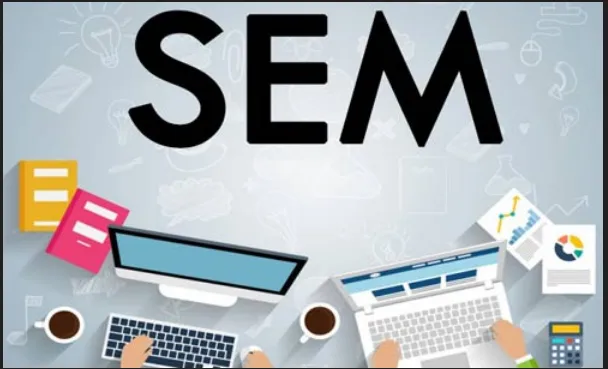
In today’s competitive digital world, businesses need effective ways to reach potential customers quickly and efficiently. Search Engine Marketing (SEM) is one of the most powerful digital marketing strategies that helps businesses promote their products and services through paid advertisements on search engines like Google. SEM allows brands to appear in front of customers at the exact moment they are searching for relevant information, solutions, or services.Search Engine Marketing is the process of using paid advertising campaigns to increase visibility on search engine result pages. Unlike organic strategies that take time to build results, SEM helps businesses gain immediate exposure by placing targeted ads in front of the right audience. It combines strategy, creativity, data analysis, and optimization to achieve better marketing results.The main goal of SEM is to attract high-quality traffic, generate leads, increase sales, and improve brand awareness. When users search for specific keywords related to a business, SEM allows companies to display their advertisements and guide interested customers toward their websites. This makes SEM an effective method for reaching people who already have an interest in a product or service.
One of the most popular platforms for SEM is Google Ads. Through Google Ads, businesses can create different types of campaigns, including search ads, display ads, shopping ads, and video advertisements. These campaigns help brands reach customers across multiple digital platforms and create opportunities for growth.Keyword research plays a major role in successful SEM campaigns. Choosing the right keywords helps businesses target users who are actively looking for their products or services. Effective keyword selection requires understanding customer behavior, search intent, and market competition. The right keywords help improve ad performance and increase the chances of attracting valuable customers.Creating effective ad copy is another important part of SEM. A successful advertisement should be clear, attractive, and focused on customer needs. Headlines, descriptions, and call-to-action messages should encourage users to click and explore more. Creative and relevant ads can improve engagement and increase campaign performance.
Landing pages also influence SEM success. When users click an advertisement, they should reach a page that provides useful information and a smooth experience. A well-designed landing page with clear content, fast loading speed, and strong calls-to-action can improve conversions and help businesses achieve their goals.SEM allows businesses to target specific audiences based on different factors such as location, interests, search behavior, and demographics. This level of targeting helps companies spend their advertising budget more effectively and connect with potential customers who are more likely to take action.One of the biggest advantages of SEM is measurable results. Businesses can track important performance indicators such as clicks, impressions, conversions, cost per click, and return on investment. This data helps marketers understand campaign performance and make improvements for better results.Performance optimization is an ongoing process in SEM. Digital marketers analyze campaign data, test different advertisements, adjust keywords, and improve targeting to achieve better outcomes. Continuous monitoring helps reduce unnecessary spending and increases the effectiveness of advertising campaigns.
SEM works best when combined with other digital marketing strategies such as SEO, content marketing, social media marketing, and website optimization. While SEM provides quick visibility, SEO builds long-term organic growth. Together, these strategies create a strong and balanced digital marketing approach.Businesses of all sizes can benefit from SEM. Small businesses can use it to compete with larger brands by targeting specific audiences, while established companies can use it to expand their reach and increase market presence. With proper planning and management, SEM can create valuable opportunities for business growth.The future of SEM continues to evolve with artificial intelligence, automation, and advanced data analysis. Advertising platforms are becoming smarter, helping businesses create more personalized and effective campaigns. Marketers who understand customer behavior and use data-driven strategies can achieve better success.Search Engine Marketing is more than just running advertisements; it is about connecting businesses with the right customers at the right time. By using effective strategies, creative campaigns, and continuous optimization, SEM helps brands increase visibility, generate opportunities, and grow successfully in the digital world.
Performance Marketing: The Future of Data-Driven Digital Growth

In today’s competitive digital world, businesses need marketing strategies that create real impact and measurable results. Performance marketing is a modern approach that focuses on achieving specific business goals such as increasing website traffic, generating leads, improving sales, and maximizing return on investment. It combines creativity, technology, and data analysis to create marketing campaigns that deliver meaningful outcomes.Performance marketing is a digital marketing method where every campaign activity is tracked and measured. Instead of focusing only on brand awareness, performance marketing focuses on actions such as clicks, conversions, purchases, sign-ups, and customer engagement. This allows businesses to understand what works, improve strategies, and make better marketing decisions.One of the biggest advantages of performance marketing is that it is based on data. Marketers use analytics and insights to understand customer behavior, identify opportunities, and optimize campaigns. By analyzing performance data, businesses can improve their advertising strategies and achieve better results with their marketing budget.
Paid advertising platforms such as Google Ads, Meta Ads, and other digital channels play an important role in performance marketing. These platforms allow businesses to reach specific audiences based on interests, location, behavior, and online activity. With accurate targeting, brands can connect with potential customers who are more likely to engage with their products or services.A successful performance marketing campaign begins with clear goals. Businesses need to define what they want to achieve, whether it is increasing sales, generating leads, driving website visits, or improving brand engagement. Having clear objectives helps create focused strategies and measure success effectively.Audience research is another important part of performance marketing. Understanding customer needs, interests, and online behavior helps marketers create more effective campaigns. When businesses know their audience, they can deliver the right message to the right people at the right time.
Creative content plays a major role in performance marketing success. Advertisements, images, videos, and landing pages need to capture attention and encourage users to take action. A strong combination of attractive design and valuable messaging helps improve engagement and conversions.Landing page optimization is also essential for better performance. When users click an advertisement, they should reach a page that is clear, fast, and easy to navigate. A well-designed landing page improves user experience and increases the chances of turning visitors into customers.Performance marketing allows businesses to measure important metrics such as clicks, impressions, conversion rates, cost per acquisition, and return on investment. These insights help marketers understand campaign performance and identify areas for improvement.Continuous optimization is a key part of performance marketing. Digital marketers regularly test different strategies, analyze results, adjust campaigns, and improve targeting. This process helps businesses reduce unnecessary spending and increase overall campaign effectiveness.
Performance marketing works together with other digital strategies such as SEO, content marketing, social media marketing, and email marketing. When combined, these strategies create a complete digital growth system that helps businesses build stronger relationships with their audience.Small businesses and large companies can both benefit from performance marketing. It provides flexibility, measurable results, and the ability to compete in the online marketplace. With the right strategy, businesses can reach new customers and grow their digital presence.The future of performance marketing continues to evolve with artificial intelligence, automation, and advanced analytics. New technologies help marketers understand customers better and create more personalized experiences. Businesses that use data-driven strategies will have stronger opportunities for success.Performance marketing is not just about running advertisements; it is about creating smart strategies that generate real value. By focusing on data, creativity, and continuous improvement, businesses can achieve sustainable growth and build a successful digital future.